With feasts and music, Kashmiri weddings keep traditions alive / Photo: Tauseef MUSTAFA - AFP
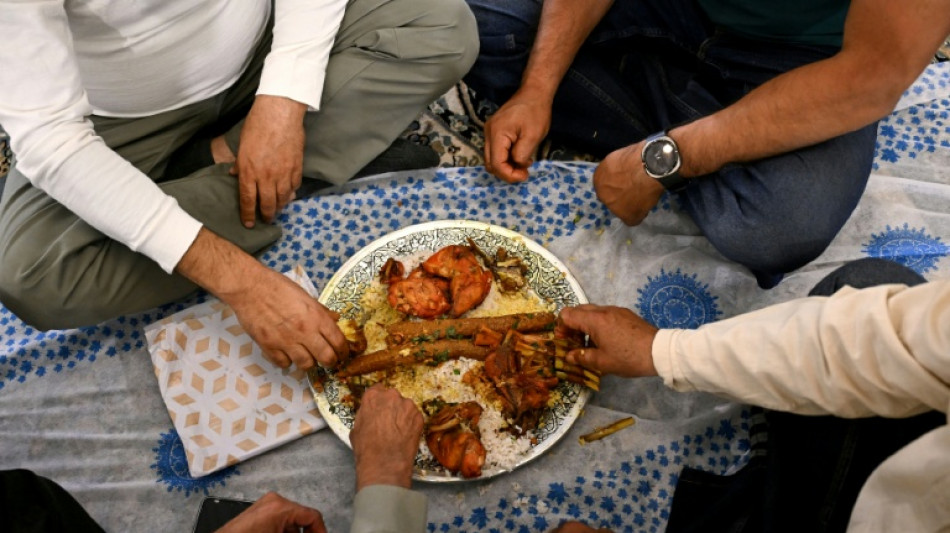
Every Kashmiri wedding has its own story, but all share a common thread of the "wazwan", a famed feast of slow-cooked meats, shared platters and centuries-old culinary craftsmanship.
Behind the white tented halls at a recent wedding in Srinagar -- the main city in Indian-administered Kashmir -- lies an army of workers whose livelihoods depend on the territory's elaborate marriage traditions.
"We don't just cook wazwan -- we live it," said head chef Ghulam Nabi Palo, leading a team of dozens of "wazas", or chefs, their assistants, spice suppliers and kitchen hands.
"For us, every feast is a blend of devotion and livelihood."
The recipes, preparation, and serving rituals have been passed down through generations.
The religious ceremony forms the spiritual heart of a Kashmiri Muslim wedding.
But it is the tapestry of customs that bring together the community in a celebration of faith and cultural heritage.
The whole wedding industry provides employment for entire communities.
Beyond the kitchen, workers decorate the venue, and servers manage seating arrangements
Artists draw intricate henna designs on the hands and feet of the bride.
Transgender singers, a traditional feature of many Indian weddings, bring music and entertainment.
South Asia has a long history of people assigned male at birth but who identify as female -- a community recognised as members of the third gender but who still face severe discrimination.
For transgender singer Bisma, performing at weddings gives her a moment of inclusion.
"It is a moment of belonging," Bisma said. "Every smile in the crowd reflects my pride in being seen."
P.Oliviero--LDdC