Germans vote in elections threatening fresh blow to Merz / Photo: John MACDOUGALL - AFP
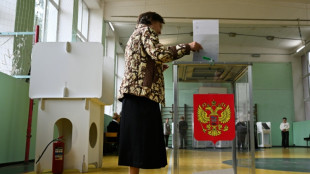
Germans began voting Sunday in two state elections where far-right and far-left gains could send new shock waves to Berlin and rock the government of embattled Chancellor Friedrich Merz.
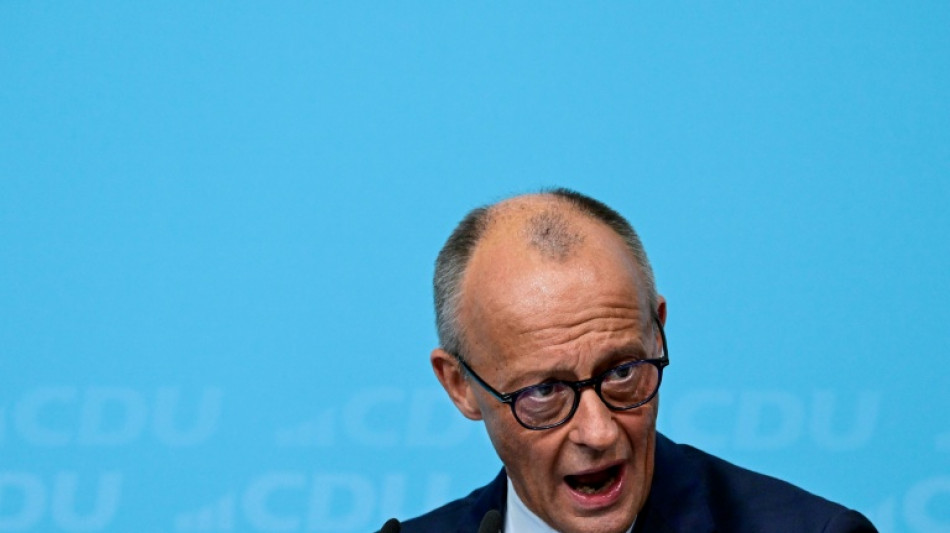
Merz, 70, has scheduled a crisis meeting of his centre-right CDU party leadership to discuss the first results as they come in from the regional polls in Berlin and Mecklenburg-Western Pomerania.
The chancellor, in power for 16 months, has also cleared his calendar for the following days and skipped a trip to the UN General Assembly to deal with potential aftershocks from the votes.
The far-right, pro-Trump and Moscow-friendly Alternative for Germany (AfD) dealt a stunning defeat to his CDU two weeks ago in the state of Saxony-Anhalt, fuelling speculation that internal party support for Merz is wobbling.
The election debacle came as Merz's approval ratings have nose-dived and he has struggled to push through promised economic and social welfare reforms with his centre-left coalition partners the SPD.
The AfD will make fresh gains Sunday, polls suggest, although it is unlikely to come within reach of power in either state -- unlike in Saxony-Anhalt where it fell just a few seats short of an absolute majority.
Polling stations opened at 8:00 am (0600 GMT) with voting set to last until 6:00 pm.
Under-fire Merz received some badly needed support from CDU powerbrokers on Wednesday. Eight state premiers declared jointly that Germany needs "stability now more than ever" rather than "discussions about personnel".
They refrained from issuing a personal endorsement for Merz, however.
- Two tight races -
In Sunday's vote, the CDU faces different challenges unique to those regions.
In the northeastern coastal state of Mecklenburg-Western Pomerania, Merz's party is an onlooker to the main battle between the SPD of popular state premier Manuela Schwesig and the AfD.
While the AfD was polling at 36 percent against the SPD's 37, according to public broadcaster ZDF, Merz's CDU, at just six percent, was dangerously close to missing the five-per cent hurdle needed to stay in the state parliament.
A CDU crash below that line would be a historic first and heap enormous pressure on Merz.
In the city-state of Berlin, the ruling CDU is running a neck-and-neck race against the far-left Die Linke, which promises drastic steps to solve a dire housing crisis and is popular with young people.
A CDU defeat there would be another black eye for Merz -- especially at the hands of Die Linke, which wants to curb corporate power and leans toward Moscow.
When Merz took office in May last year, he vowed to reboot a flagging economy, rebuild the military to deter Russia, and reduce irregular immigration to soothe voters' fears and lure them away from the AfD.
But the AfD now leads nationwide polls and Merz's personal approval ratings hover just above 10 percent, not helped by his occasionally blunt and abrasive comments.
- Lowest support ever -
"In personal terms, the situation is quite dramatic" for Merz, said pollster Roland Abold of the Infratest Dimap research institute.
"In our last survey in September, 13 percent were still satisfied with his political performance. These are the lowest figures we have ever recorded for an incumbent chancellor," Abold told AFP.
Some commentators point out that most of Merz's problems have originated abroad.
The Ukraine and Middle East wars have sent energy prices surging, fuelling a cost-of-living crisis.
Worries about Russia have driven a massive German rearmament drive, sped up by US President Donald Trump's often hostile stance against European NATO allies.
And China's rapid rise is turning a long-time German export market into a fierce industrial competitor.
"Tough luck for Friedrich Merz," wrote Berenberg bank chief economist Holger Schmieding. Aside from the AfD challenge, the latest "surge in petrol prices and the public debate about his future are exacerbating his travails", he argued.
Trump and Russia's Vladimir Putin "have triggered the crises that have sent oil and gas prices into the stratosphere", Schmieding pointed out.
"But although parts of the right-wing AfD are close to both of them... voters tend to lay the blame for their pain at the ruling coalition led by Merz rather than at the friends of AfD."
Nonetheless, Schmieding judged it more likely than not that Merz would weather the current political storm and serve out his term until 2029.
F.Bellezza--LDdC