Sudan RSF leader 'unleashes' fighters after army gains in Kordofan / Photo: - - AFP
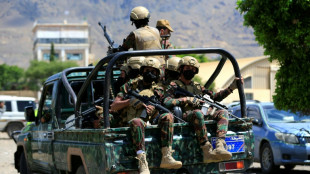
Sudan paramilitary leader Mohamed Hamdan Daglo, whose Rapid Support Forces have been accused of genocide, told his fighters Monday to consider themselves "unleashed" in their war against the army.
A day after losing a key highway between the capital Khartoum and the Kordofan region's largest city of El-Obeid, Daglo's parallel administration published a video message where he "released the reins" of his "fighters on the frontlines".
The UN has for weeks warned RSF fighters could commit mass atrocities in the Kordofan region, as they sought to encircle its largest city of El-Obeid ahead of an apparent large-scale assault.
Since April 2023, Daglo's war with his former ally, army chief Abdel Fattah al-Burhan, has killed upwards of 200,000 people, aid workers estimate, and created the world's largest hunger and displacement crisis.
His forces have committed atrocities including ethnic cleansing, systematic sexual violence and summary executions, according to survivor testimony and UN reports.
"From today, I no longer hold the reins, I have released the reins to you," Daglo said in the address to his fighters.
The RSF, which arose from the Janjaweed militia which in the early 2000s committed mass atrocities in the volatile Darfur region, consolidated control of Darfur last year, in an attack the UN said bore "the hallmarks of genocide".
They have since pushed to seize the neighbouring region of Kordofan, but were for months stuck in an apparent stalemate with the army as both volleyed deadly drone strikes, killing over 1,000 civilians this year.
Following a days-long advance across North Kordofan state, the Sudanese army on Sunday managed to push the RSF west, off the 400-kilometre (250-mile) highway that connects Khartoum with El-Obeid, two army sources told AFP Monday on condition of anonymity.
For months, each side has sought to cut off the other's supply lines around El-Obeid, which sits at an important crossroads.
Its north-south highway runs from Khartoum through Kordofan to the southern border, while its east-west axis connects RSF strongholds in the Darfur region to army-controlled central and eastern Sudan.
- Hope for relief -
The army released footage on Monday showing army chief Abdel Fattah al-Burhan visiting Jabrat al-Sheikh, one of the last RSF holdout positions along the highway.
He appeared flanked by the leaders of the two most important militias in his current coalition, whose fighters helped secure the advance: Darfur governor and Joint Forces commander Minni Minawi and Sudan Shield Forces commander Abu Aqla Kaykal.
Inside El-Obeid, where the UN says hundreds of thousands are in need of aid, relieved El-Obeid native Sabreen Mohamed told AFP that "the highway opening means goods can flow".
The road to Khartoum remains closed to civilians, who have for most of the war relied entirely on the eastern road to the White Nile, where the RSF regularly launches deadly drone strikes.
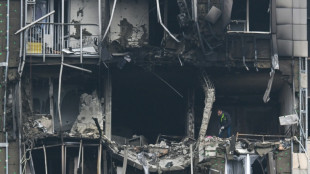
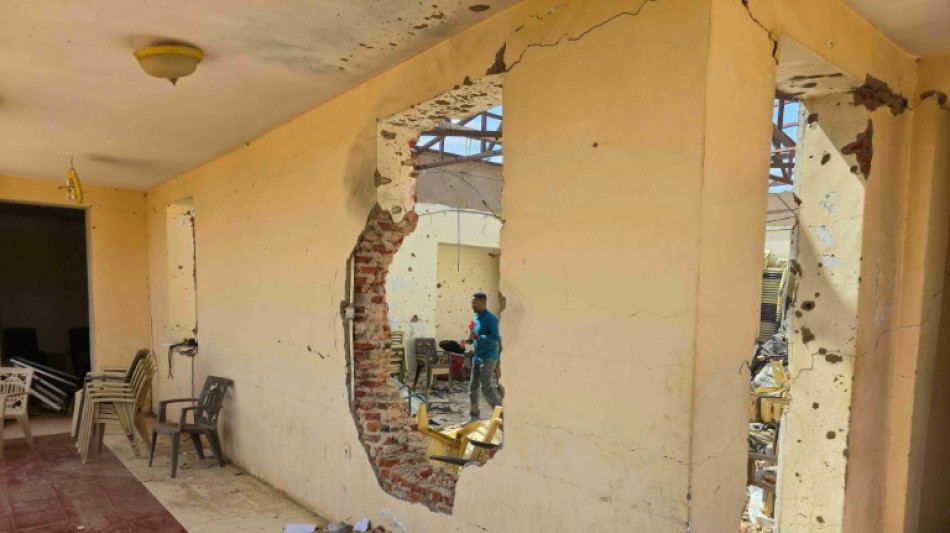
Drone strikes were also reported at dawn inside the city, which local officials attributed to the RSF.
The local lawyers' association and a branch of the Agricultural Bank of Sudan were left in ruins, an AFP reporter saw, though no casualties were reported.
Mohamed brushed the attacks off as "death throes".
"We're used to it, every time the army advances, they retaliate against North Kordofan," she said.
Though both sides have reportedly committed war crimes including indiscriminate bombing, the army is generally regarded more favourably by civilians in areas that have faced the brunt of RSF violence.
A city of about half a million people, which the UN says has doubled in size because of displacement, El-Obeid has been caught in the crossfire since the war began.
It was under paramilitary siege from April 2023 until February of last year, when the army broke through.
Ever since, RSF attacks on roads, neighbourhoods and critical infrastructure such as power stations have worsened a humanitarian crisis, where the UN says only a fraction of the city has reliable access to food.
F.Abate--LDdC